आकाशे तारकं लिंगं पाताले हाटकेश्वरम् ।
मृत्युलोके महाकालं त्रयलिंगं नमोस्तुते ॥
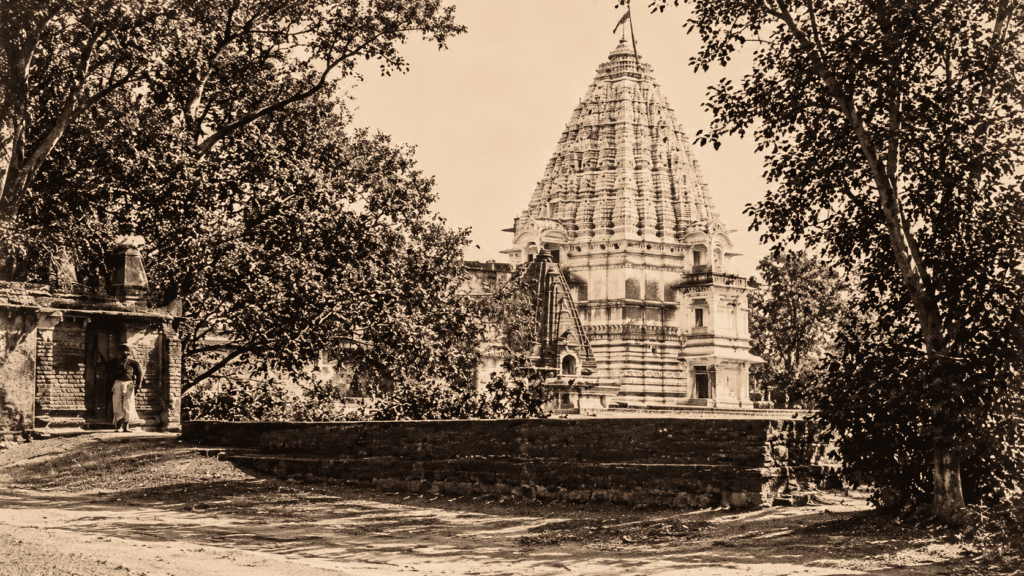
The glory of Mahakaleshwar Jyotirlinga can be understood from this single verse itself. Ujjain, one of the ancient cities of Madhya Pradesh, is renowned for two major reasons one, the Mahakumbh, and the other, Shri Mahakaleshwar Mahadev.
It is believed that the Shiva Lingam of Mahakaleshwar is Swayambhu, meaning it manifested on its own, and that the temple was built around it later. Like Somnath, Mahakaleshwar is regarded not only as one of the sacred Jyotirlingas but is also associated with Shakti worship. Here, the divine consort of Lord Shiva is worshipped as Mahakali.
Just as in the case of Somnath, Muslim rulers also made repeated attempts to destroy the Mahakaleshwar Temple. In 1234 CE, the ruler Iltutmish is said to have destroyed the temple. However, as tradition holds, the sacred Shiva Lingam remained unharmed. Thereafter, successive rulers took special care to protect and preserve the temple.
It is believed that it was through the blessings of Lord Mahakal that Maharaja Vikramaditya became such a great emperor. Under his reign, rival kingdoms were said to have been reluctant to dare an attack on his empire. The great poet Kalidasa and the renowned scholar Banabhatta also had Ujjain as an important centre of their intellectual and literary lives, and the influence of Mahakaleshwar Jyotirlinga can be clearly felt in their works.
Not only this, but Lord Krishna himself chose Ujjain, the city of Mahakal, for his education and training. It is traditionally believed that under the guidance and blessings of Mahadev, Shri Krishna mastered the 64 arts in just 64 days.
During the Kumbh Mela, the spiritual splendour of Ujjain and Mahakaleshwar becomes truly extraordinary. The Bhasma Aarti of Lord Mahakal is renowned across the world, attracting devotees and visitors from many different countries. The ceremony is considered unique for several reasons:
The present Mahakaleshwar Jyotirlinga shrine is divided into three levels. The upper level houses Shri Nagchandreshwar, the middle level houses Shri Omkareshwar, and the lower sanctum houses Shri Mahakaleshwar.
Within the sanctum, Mahakal is traditionally surrounded by Lord Ganesha in the west, Goddess Parvati in the north, Lord Kartikeya in the east, and Nandi in the south.
A popular legend associated with this Jyotirlinga tells of a time when King Chandrasena ruled Ujjain. During his reign, a powerful demon named Dushan began spreading terror throughout the kingdom. Gods, demons, humans and celestial beings were all said to fear him because he had received a boon from Lord Brahma that made him extremely difficult to defeat.
As his atrocities continued and everyone cried out for protection, Lord Mahadev manifested in Ujjain in the form of Mahakal at the prayers of Brahma and destroyed Dushan along with the other demons.
After the destruction of the demons, King Chandrasena and the people of Ujjain prayed to Lord Mahadev to remain there permanently so that He could continue protecting them from future dangers and calamities. Granting their wish, Lord Shiva remained in Ujjain in the form of Mahakaleshwar Jyotirlinga.
Another popular legend tells of a young boy who was deeply inspired by King Chandrasena’s devotion to Lord Mahadev. The child found a stone somewhere and began worshipping it as a Shiva Lingam. He became so completely absorbed in his devotion that he lost all awareness of the world around him.
Even when his mother came to call him, the boy remained immersed in his meditation. In anger, his mother picked up the stone he was worshipping and threw it away.
The child was heartbroken.
Then, through the divine grace and miracle of Lord Mahadev, a magnificent temple is said to have manifested at that very place. It was at this moment, according to the legend, that Lord Hanuman, the great devotee of Shri Ram, appeared.
Hanumanji took the devoted child into His arms and, addressing the assembled kings and people, declared:
Meaning: There is no ultimate refuge or destination for living beings other than Lord Shiva. Merely by witnessing the worship of Shiva being performed elsewhere, this young cowherd boy began worshipping Lord Shiva himself, without knowing any mantra or following any prescribed rituals. Through his pure devotion, he attained the blessings of Shiva and the highest auspiciousness.
This supreme devotee of Lord Shiva will bring glory to the entire community of cowherds. In this earthly life, he will attain infinite happiness and, after death, will attain Moksha (liberation).
The eighth descendant of his lineage will be the illustrious Nanda, whose son will be none other than Lord Narayana Himself, who will incarnate as Krishna.
Since then, it has been a deeply held belief that as long as Lord Mahakal resides in Ujjain, no calamity or misfortune can befall the sacred city.
Jai Shree Mahakal! 🙏

Learn about Ujjain Tour Advisor, our story, travel expertise, and commitment to helping you discover Ujjain’s spiritual, cultural, and historical treasures through seamless travel experiences.

Discover Ujjain’s rich history, sacred heritage, ancient temples, spiritual traditions, and cultural significance through stories, places, and experiences that define this timeless city.
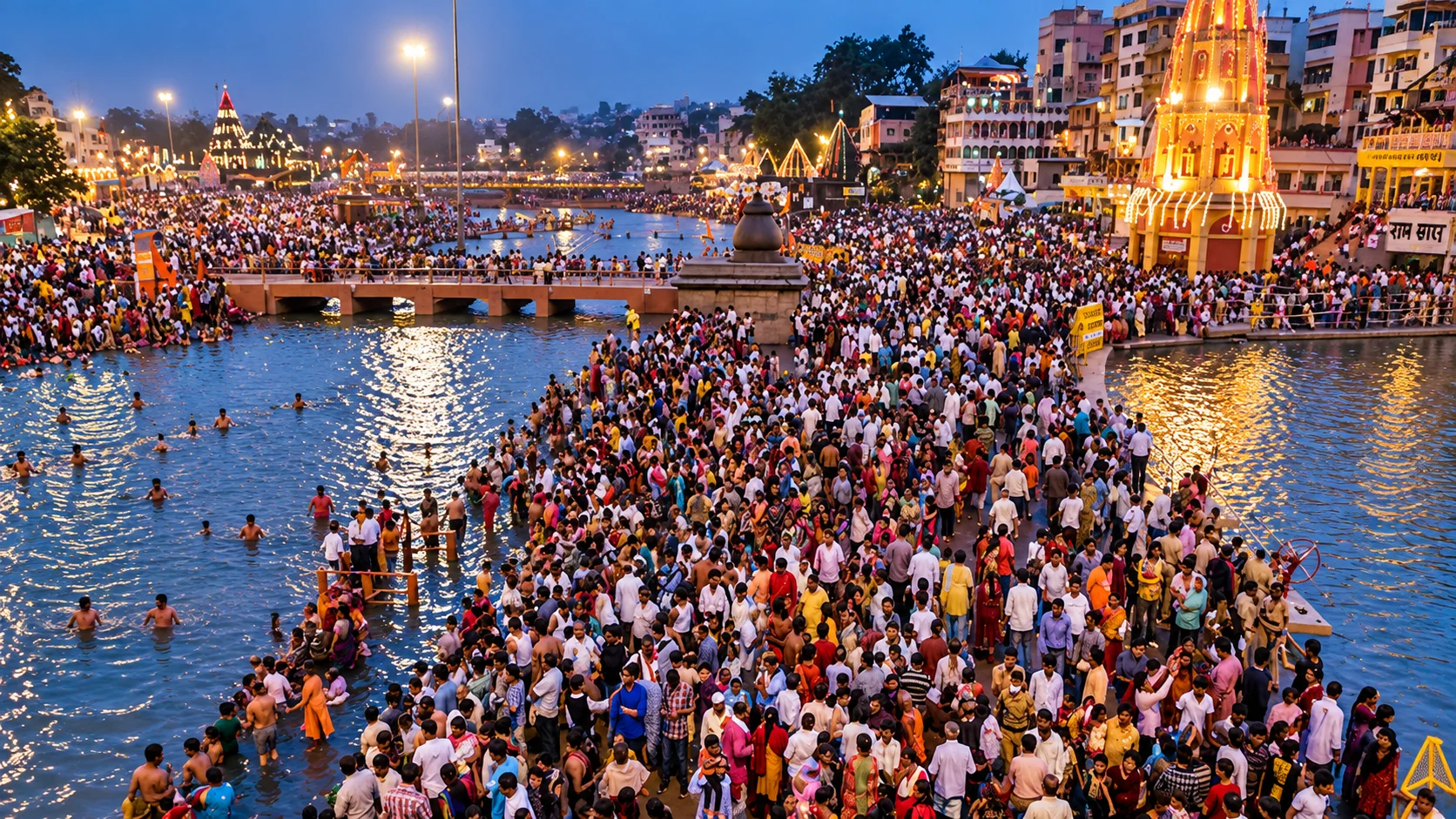
Stay updated on major events in Ujjain, including Simhastha 2028, religious festivals, cultural celebrations, and other important occasions taking place in the city.
© 2026 Created with Digital Upway